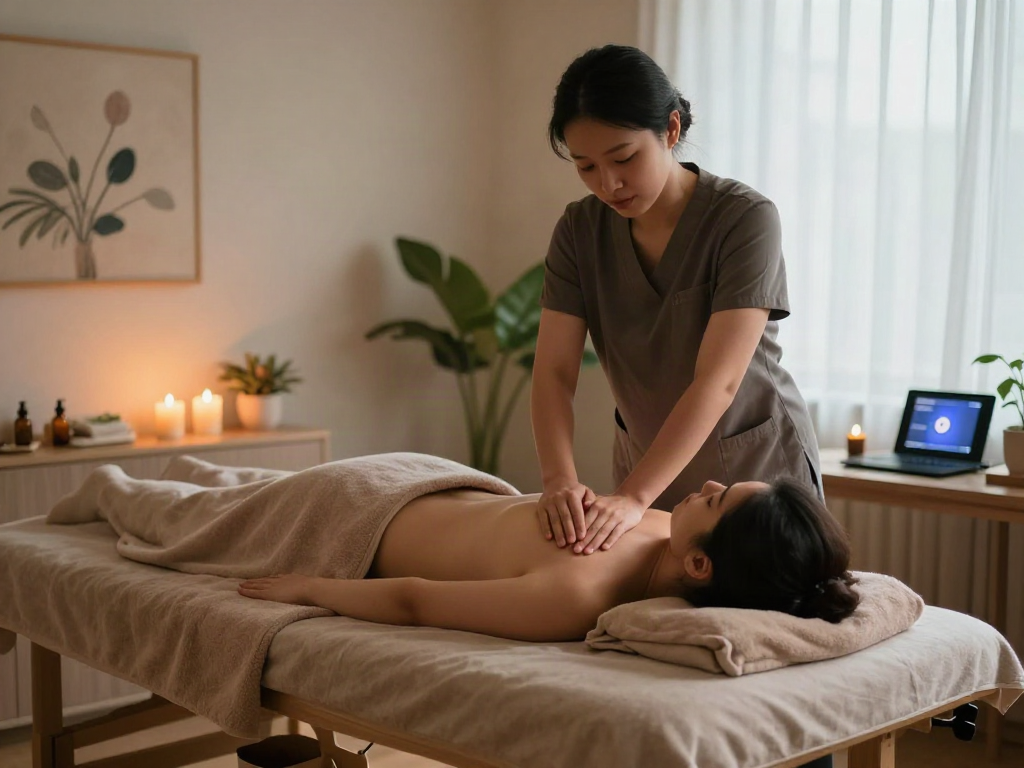
Understanding 용산출장안마: A Comprehensive Overview
In the heart of Yongsan, Seoul, the art of massage therapy plays a vital role in both relaxation and wellness. 용산출장안마 offers a diverse range of massage techniques tailored to meet the unique needs of every individual. From relieving stress to alleviating chronic pain, massage therapy is more than just a luxury; it's a pathway to overall health and well-being. In this article, we delve into the intricacies of massage therapy, exploring its benefits, techniques, and how to choose the right type for you.
What is 용산출장안마?
용산출장안마 refers to the various massage services offered in the Yongsan district of Seoul, South Korea. This form of therapy encompasses a spectrum of techniques aimed at promoting physical and mental wellness. Massage therapy has deep roots in traditional practices and has evolved over the years, integrating modern techniques to enhance its effectiveness. Whether you seek relaxation, pain relief, or rehabilitation, the offerings in Yongsan cater to every need.
The Benefits of Massage Therapy
Massage therapy is known for its multitude of benefits, which include:
- Stress Reduction: Regular massage can help lower cortisol levels and reduce anxiety, promoting a sense of calm and relaxation.
- Pain Relief: Many individuals find relief from chronic pain conditions such as arthritis, back pain, and migraines through massage therapy.
- Improved Circulation: Massage can enhance blood flow, which may help in healing injuries and improving overall health.
- Enhanced Flexibility: Techniques used in massage therapy can increase range of motion and flexibility, which is particularly beneficial for athletes.
- Better Sleep: Regular sessions can lead to improved sleep quality and duration by promoting relaxation.
Different Techniques of Massage in Yongsan
In Yongsan, a variety of massage techniques are available, each with its specific purpose and approach. From traditional therapies to modern methods, understanding the options can help you make an informed decision.
Key Techniques Used in 용산출장안마
Deep Tissue Massage Explained
Deep tissue massage targets the deeper layers of muscles and connective tissue. This technique is particularly beneficial for individuals dealing with chronic pain, tension, or injuries. The therapist uses slow strokes and deep pressure to relieve tension, which can sometimes feel intense but is often worth the immediate relief it brings.
Swedish Massage Techniques and Their Benefits
One of the most popular forms of massage therapy, Swedish massage, focuses on relaxation and promotes overall well-being. Techniques include long strokes, kneading, and circular movements on superficial layers of muscle. This type of massage is excellent for easing stress and tension, making it ideal for first-time massage clients.
Hot Stone Massage: How It Works
Hot stone massage involves the use of heated stones placed on specific points of the body. The warmth helps to relax muscles, allowing the therapist to work more deeply into the tissues without discomfort. This technique can be particularly effective for those with muscle tension and stress, providing a unique experience that combines temperature and tactile stimulation.
Choosing the Right Massage for Your Needs
Identifying Your Personal Goals
Before booking a massage session, it’s essential to identify your personal wellness goals. Are you seeking relaxation, pain relief, or recovery from an injury? Understanding your objectives will guide you in selecting the most suitable treatment.
Common Pain Points Addressed by Massage
Common areas that can benefit from massage therapy include:
- Neck and shoulder pain
- Lower back pain
- Muscle tension and soreness
- Headaches and migraines
Consulting with a Professional Therapist
Engaging in a consultation with a professional massage therapist can provide insights into which technique may be most beneficial for your specific condition and goals. They can assess your needs and customize your session accordingly, ensuring the most effective outcomes.
Future Trends in Massage Therapy (2026 and Beyond)
Technological Innovations in Massage Therapy
As we move towards 2026, technological advancements are set to significantly alter the landscape of massage therapy. Innovations such as massage chairs equipped with AI technology, virtual reality experiences for relaxation, and mobile apps for personalized wellness experiences are on the rise. These technologies promise to make massage more accessible and tailored to individual needs.
Personalized Wellness Experiences
There is a growing trend toward personalization in wellness services. Future massage therapy sessions will likely involve more assessment and customization based on individual health data, preferences, and feedback. This level of personalization can enhance the overall effectiveness of therapy, ensuring that clients receive treatment that is specifically designed for their needs.
Research on Massage Therapy and Health Benefits
Ongoing research continues to unveil the health benefits of massage therapy, linking it to improved physical health, mental well-being, and even immune function. With studies regularly published in scientific journals, clients can look forward to evidence-based recommendations and treatments that affirm the therapeutic value of massage in holistic health approaches.
Addressing Common Misconceptions About Massage
Myths About Pain and Discomfort
One common misconception is that massage always has to be painful to be effective. In reality, while some discomfort may be expected in specific techniques, effective massage should not be unbearable. Communication with your therapist about pressure levels is crucial for a positive experience.
Understanding Session Length and Frequency
Many people believe that they need to attend lengthy sessions frequently to utilize the full benefits of massage therapy. However, the frequency and length can vary greatly depending on individual goals. For some, even a short session once a month can provide significant benefits.
Who Can Benefit from Massage Therapy?
Massage therapy is not limited to those with chronic pain or stress; individuals of all ages and conditions can benefit. Whether you are an athlete looking for recovery, a parent managing stress, or someone seeking relaxation, there is a type of massage for you.
What is the best type of massage for stress relief?
Many individuals find Swedish massage to be the most effective for stress relief due to its gentle techniques and calming nature. However, aromatherapy massage, which combines massage strokes with essential oils, can also greatly enhance relaxation.
How often should I get a massage for optimal benefits?
The optimal frequency of massages varies by individual. For general wellness, monthly sessions may suffice, while those dealing with specific pain or stress may benefit from weekly or bi-weekly sessions. A consultation with a therapist can help determine the best schedule for your needs.
Are there any risks associated with massage therapy?
Generally, massage therapy is safe for most people. However, those with certain medical conditions, such as severe osteoporosis or specific types of cancer, should consult with their healthcare provider before seeking treatment. It’s crucial to inform your therapist of any health issues before your session.
Can massage therapy help with chronic pain conditions?
Yes, massage therapy can be particularly effective for managing chronic pain conditions by promoting relaxation, improving circulation, and reducing muscle tension. Techniques such as deep tissue and trigger point therapy are often recommended for those suffering from chronic pain.
What should I expect during my first massage session?
During your first session, the therapist will typically conduct an initial consultation to discuss your needs and any health issues. You can expect a comfortable atmosphere, where you’ll be guided on how to prepare for your session. It’s a time to relax and communicate openly with your therapist about what feels good and what doesn’t.